
Top 7 Commercial Vehicle Lighting Upgrades That Improve Road Safety and Visibility
Commercial vehicles spend long hours on the road, often in poor weather, low light, or heavy traffic. For fleet operators and owner-drivers, visibility isn’t just about how a vehicle looks. It’s about whether other road users can actually see it in time to react.
Upgrading vehicle lighting is one of the most affordable ways to improve safety. It doesn’t require a full refit or a large budget.
Below are seven upgrades worth considering if your goal is being seen clearly, whatever the conditions.
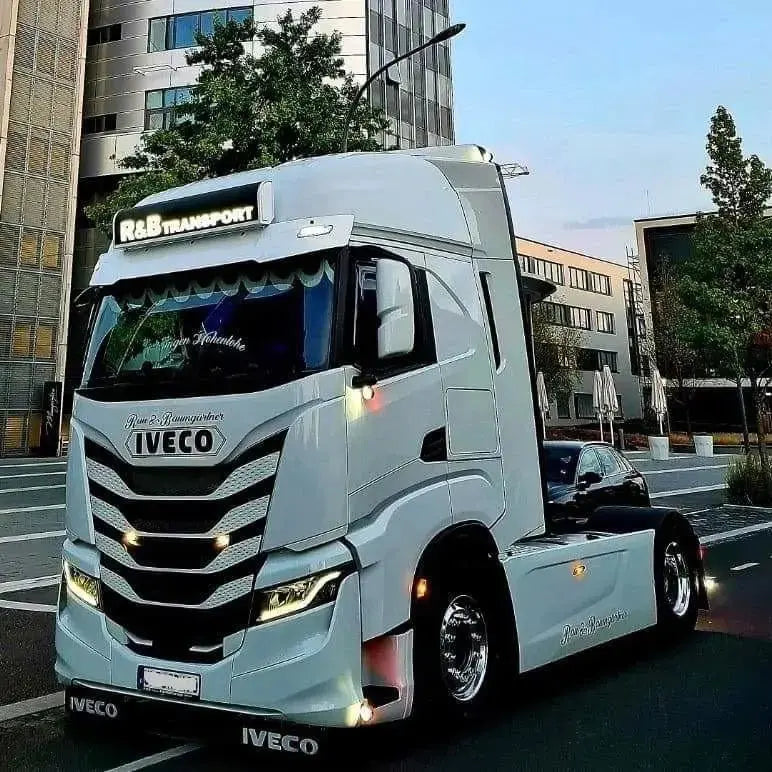
1.Marker Lights for a Clearer Vehicle Outline
Large vehicles are easy to misjudge at night. A tanker truck or a long trailer can look shorter than it really is when the side lighting is weak or worn out, and that’s often when other drivers misjudge distance or speed.
Marker lights fitted along the sides, front, and rear solve this by showing exactly where the vehicle starts and ends. They come in 12-volt and 24-volt options, so fitting the right one depends on what you’re driving.
Older markets tend to dim over time without anyone really noticing, or swapping them for a modern LED set is a small change that makes a real difference at dusk.
2.Halo Strobe Lights for Stronger Warning Visibility
Halo strobe lights combine two functions in a single unit. During normal driving, they act as a steady marker light with a halo ring around the edge. When more attention is needed, they switch to a bright strobe flash.
This dual setup suits several situations:
- Tipper trucks and tractor units working roadside or in low-light conditions.
- Recovery vehicles that need a stronger signal than a standard marker light can give.
- Fleets that would rather fit one light that does two jobs instead of two separate units.
Because they’re built to handle vibration, dust, and long hours in use, halo strobe lights tend to outlast cheaper alternatives on vehicles working construction sites, farms, or busy motorways.
3.Driving Lights and Spotlights for Unlit Roads
Standard headlights weren’t really designed with rural night driving in mind. Anyone covering routes without street lighting, or working long shifts after dark, will notice how much difference extra forward lighting makes.
A decent set of driving lights or spotlights usually offers:
- A wider, further-reaching beam than factory headlights.
- Amber or white position lighting built in, so they’re useful during the day too, not just after sunset.
- A build that survives weather and rough tracks without the housing cracking or the beam dropping off after a year of use.
Agricultural drivers and long-haul operators tend to get the most out of this upgrade, since it directly affects how far ahead they can actually see.
4.LED Beacon and Warning Lights for Hazard Situations
Roof-mounted beacon lights are one of the oldest and still one of the clearest ways to signal that a vehicle is stopped, moving slowly, or working near the road. Skip lorries, tippers, and agricultural vehicles moving between fields rely on this kind of lighting regularly.
The move toward LED beacons over older halogen versions isn’t only about brightness, though that’s part of it. LEDs also draw less current, which matters once a vehicle already has several lighting accessories running off the same electrical system.
5.Double Burner Lights for Combined Function and Neat Design
Double burner lights solve a fairly common problem: needing two lighting functions without cluttering the vehicle with extra fittings. They’re available in amber, white, or red, with clear or smoked lens options, and pack a warning function into a compact housing.
Fleets often choose them for exactly that reason. Fewer separate fittings mean less wiring and less to go wrong, while the dual color options give some flexibility depending on what signaling is needed.
For drivers replacing older, single-function lights, it’s usually a straightforward swap rather than a redesign of the whole setup.
6.DRL Conversion Kits for Daytime Visibility
Daytime running lights used to be something you only saw on cars. That’s changed. Fitting a DRL conversion kit keeps the front of a commercial vehicle visible during the day, which matters more than people tend to assume, particularly at dawn, dusk, or on the kind of grey, overcast afternoon where everything blends together.
A DRL kit makes the vehicle easier to spot from a distance in daylight. It also takes some of the load off the main headlight bulbs, since the DRLs run independently, and it fits alongside whatever headlight setup is already there without needing major changes.
It’s not a dramatic upgrade on paper, but for drivers covering long daytime routes, it quietly does its job.
7.Interior Lighting and Truck Dash Tables for Driver Wellbeing
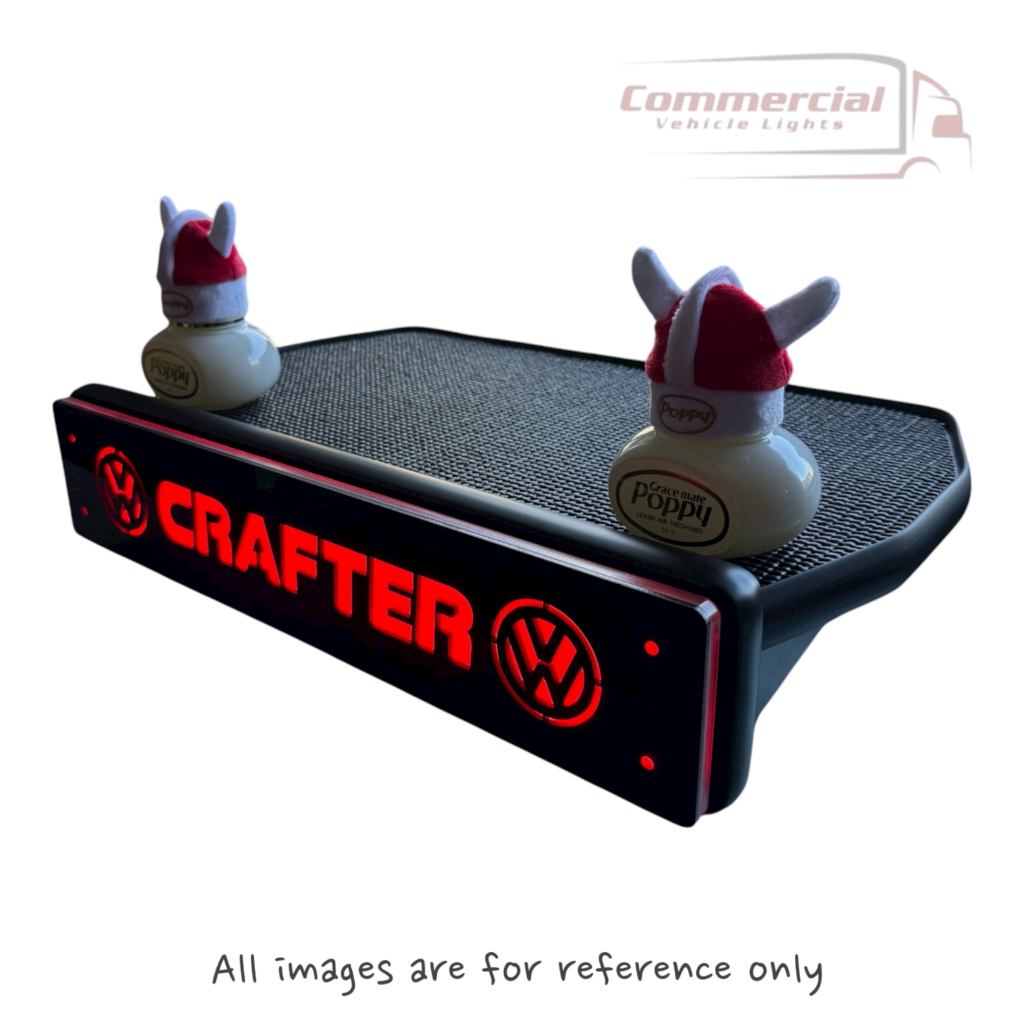
Safety doesn’t stop at the windscreen. How a driver feels during a break matters too, which is where something like a truck dash table becomes genuinely useful rather than just a nice extra.
A dash table gives drivers a stable surface across the cab for meals, paperwork, or a laptop during a stopover, instead of balancing everything on their knees. Combine that with better interior lighting, and reading tachograph details or route notes at two in the morning becomes a lot less of a squint.
None of this changes how the vehicle drives. But a driver who’s had a proper break and isn’t straining to read paperwork is simply going to be sharper once they’re back on the road, and that’s still a safety upgrade, even if it happens off the road rather than on it.
Why Commercial Vehicle Lights for Your Lighting Upgrade
Commercial Vehicle Lights is based in Portadown, Co Armagh, Northern Ireland. The company supplies standard and custom vehicle lighting across the UK, Northern Ireland, and Ireland, working with vehicle types ranging from tipper trucks and tanker trucks to box vans, mixer trucks, agricultural vehicles, and tractor units.
Instead of stocking generic, low-grade lighting, the team sources from established manufacturers and builds its range around what actually holds up in working conditions.
A Closer Look at How The Business Operates
- Products come from trusted manufacturers.
- The catalogue covers marker lights, halo strobe lights, beacon and warning lights, double burner lights, DRL conversion kits, driving lights, and interior extras like truck dash tables.
- Customers can order off-the-shelf products or go custom, down to bespoke light boards and cab styling.
- Much of the company’s reputation comes down to personal service, backed by a long list of five-star reviews pointing to consistent product quality and support throughout the ordering process.
- Whether it’s a single replacement light or a full lighting overhaul across a fleet, the approach stays the same: pointing customers toward what actually fits their vehicle and how it’s used.
Final Thoughts
Making a commercial vehicle safer and more visible doesn’t require a full overhaul. Fitting halo strobe lights, swapping in double burner lights, upgrading to LED beacons, or adding something as simple as a truck dash table can noticeably change how a vehicle performs on the road, and how the driver holds up during the breaks in between.
If a lighting upgrade is on the cards, working with a supplier that actually understands commercial vehicles makes the process easier.
Commercial Vehicle Lights covers all of the upgrades above, built around product knowledge specific to trucks, trailers, vans, and heavy vehicles rather than a generic, same catalogue.